
*By Dr. Priya Nair, Health Technology Reviewer*
*Last updated: April 20, 2026*
# EU Mandates Replaceable Batteries by 2027: A Game-Changer for Tech Giants
Starting in 2027, a major shift is set to unfold in the tech world: the European Union will mandate that all smartphones feature replaceable batteries, a regulation aimed not only at combating e-waste but also at empowering consumers. This change is particularly significant as about 60% of EU consumers have reported issues with device battery lifespan, according to the European Parliament. While many in the tech sector anticipate that such regulation might stifle innovation, it could actually catalyze a new era of creativity and market differentiation among smartphone manufacturers like Apple and Samsung.
## What Are Replaceable Batteries?
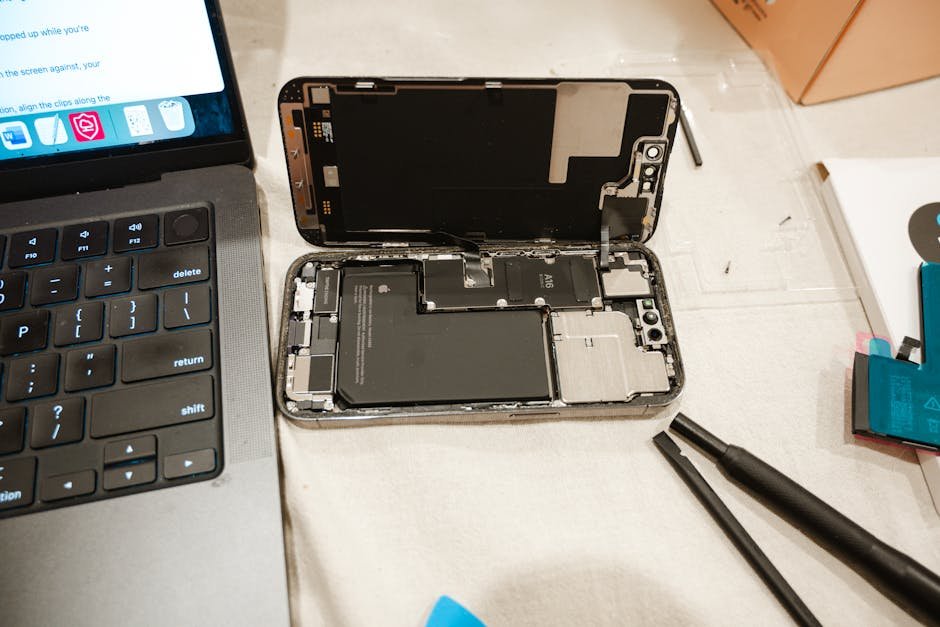
Replaceable batteries are power units designed to be easily removed and replaced by consumers, enhancing a device’s usability and longevity. This approach contrasts sharply with the entrenched practices of tech giants that favor built-in batteries, which often require consumers to replace entire devices once battery performance declines. The upcoming EU regulation signals a shift toward sustainable technology, prompting major manufacturers to rethink their design strategies. Picture a flashlight: when the batteries die, you’d just change them rather than throw the whole flashlight away—this simple analogy illustrates the potential for longevity in electronic devices.
## How Replaceable Batteries Work in Practice
The implications of the EU’s legislation will ripple through the tech landscape, fundamentally altering how companies like Apple and Samsung approach product design and consumer engagement. Here are specific examples of how replaceable batteries could manifest:
1. **Apple’s iPhone Adaptation**: Apple has historically faced criticism for its non-replaceable battery designs. As it prepares to comply with the EU regulation, the company will need to re-engineer its iPhones to facilitate user-friendly battery replacement. This adaptation could impact Apple’s innovation model and profit margins significantly, with analysts predicting that design overhauls may lead to increased costs. The shift may even echo discussions around other tech innovations like those found in [Darktable vs. Adobe: How Free Software is Redefining Photography Editing](https://healthdailyinsider.com/darktable-vs-adobe-how-free-software-is-redefining-photography-editing/).
2. **Samsung’s Response**: With a significant market share in Europe, Samsung is likely to reevaluate its battery policies. During this adjustment, consumers might witness features that allow easy battery replacement, potentially modeled after the Fairphone, which emphasizes sustainability. Samsung’s initial challenges and solutions may set the standard for the entire smartphone industry, similar to the ways [5 Simple Ways to Transform Your Dumb AC into a Smart Unit Without the Cost](https://healthdailyinsider.com/5-simple-ways-to-transform-your-dumb-ac-into-a-smart-unit-without-the-cost) has redefined tech in everyday life.
3. **Fairphone’s Expected Growth**: Companies like Fairphone, which builds devices with sustainable practices and prioritizes replaceability, could see their market share increase as eco-conscious consumers gravitate towards repairable options. Fairphone’s modular design encourages easy battery swaps, making it a direct beneficiary of such regulatory changes, akin to the innovations highlighted in [5 Ways NutritionGPT Sets a New Standard for Health Tech in 2023](https://healthdailyinsider.com/5-ways-nutritiongpt-sets-a-new-standard-for-health-tech-in-2023).
4. **Environmental Impact Assessment**: Environmental studies suggest that longer device lifespans could lead to a 20% reduction in e-waste. This reduction stems from consumers opting to replace batteries instead of discarding entire devices, aligning perfectly with the EU’s environmental goals. Manufacturers may be compelled to promote sustainability not just as a selling point, but as a compliance necessity, paralleling insights on [90% of Companies Face Governance Failures with Long Policy Documents](https://healthdailyinsider.com/90-of-companies-face-governance-failures-with-long-policy-documents).
## Top Tools and Solutions for Battery Replacement
With the impending shift toward replaceable batteries, several tools and platforms could support users and companies adapting to this new standard.
Amplemarket — AI sales automation and lead generation platform.
CloudTalk — Cloud-based business phone system.
BookYourData — B2B data and lead generation platform.
CallHippo — Virtual phone system for businesses.
Smartlead — Connect unlimited mailboxes with auto warm-up. Run outreach via email, SMS, WhatsApp, and Twitter.
KrispCall — Cloud phone system for modern businesses.
Investing in tools and platforms that enable consumers and technicians to efficiently replace batteries will be essential as these mandates come into effect.
## Common Mistakes and What to Avoid
Adapting to replaceable batteries will not be without missteps. Here are common pitfalls observed in past transitions:
1. **Underestimating Supply Chain Changes**: Companies like Huawei initially struggled with supply chain adaptations for replaceable components, leading to delays and increased costs. Proper planning for local sourcing of batteries can mitigate this risk for firms like Apple and Samsung.
2. **Ignoring Consumer Education**: In its first rollout of battery-supportive devices, Nokia failed to provide adequate consumer education on battery replacement, leading to dissatisfaction. Companies must prioritize clear communication regarding product value and maintenance to avoid similar disappointment.
3. **Quality Control Overlooks**: When LG released smartphones with replaceable batteries, it compromised on quality, which negatively affected user experiences. Ensuring quality control will be paramount for manufacturers to maintain brand loyalty.
## Where This Is Heading
The regulatory landscape surrounding replaceable batteries is set to drive two primary trends in the coming years:
### Trend #1: Sustainable Tech Innovation
According to a recent report by IDC, nearly 40% of consumers indicate that sustainability will influence their purchasing decisions in technology by 2025. This shift will encourage companies to invest in innovative solutions like eco-friendly battery alternatives, increased reparability, and sustainable materials. This trend aligns with the growing demand for sustainable technology.
### Trend #2: New Business Models
Tech firms are likely to pivot their business models from a “buy new” mentality to one prioritizing repair and upgrades. This shift may inspire subscription-based services for battery replacements and repairs. Analysts at Gartner predict that as these trends mature, we could see an overall improvement in consumer satisfaction levels as devices become more user-friendly.
## FAQ
**Q: What are replaceable batteries?**
A: Replaceable batteries are power units that can be easily removed and swapped by users, enhancing device longevity. This consumer-friendly approach contrasts with built-in battery designs that often require complete device replacement.
**Q: How do I replace the battery in my smartphone?**
A: To replace your smartphone battery, first ensure you have the correct replacement battery. Most devices have a panel or a cover that can be opened with tools as shown in guides on platforms like Fairphone. After opening, carefully disconnect the old battery and replace it with a new one before reassembling your device.
**Q: How do replaceable batteries compare to built-in batteries?**
A: Replaceable batteries allow users to change the battery easily without discarding the entire device, while built-in batteries typically require professional services for replacement, increasing e-waste.
**Q: What might the cost be associated with replacing batteries?**
A: The cost of replacing batteries can vary widely, from DIY options costing as little as $20 to professional replacement services that could charge $100 or more, depending on the device.
**Q: What are the advanced implementations of replaceable batteries?**
A: Advanced implementations might include AI-assisted battery health monitoring systems, which can provide users with real-time data on battery performance and alert them when replacements are due.
**Q: What common mistakes do people make with replaceable batteries?**
A: Many users underestimate the complexity of replacing batteries, often damaging their devices in the process. It’s essential to follow guides or seek professional assistance if unsure.
**Q: How are replaceable batteries expected to trend in the future?**
A: With growing emphasis on sustainability, the trend of replaceable batteries is expected to become more prevalent, pushing manufacturers to innovate and offer eco-friendly solutions to attract environmentally-conscious consumers.
**Q: What is the best tool for finding replacement batteries?**
A: One of the best resources for finding replacement batteries is platforms like iFixit, which provide guides and a marketplace for getting the right components for various devices.