
By Dr. Priya Nair, Health Technology Reviewer
Last updated: May 18, 2026
5 Ways Fitness Monitoring Apps Are Revolutionizing Health Tracking
More than 75% of fitness app users report improved health outcomes after six months of usage, according to a study published in Frontiers in Public Health. This figure challenges prevalent skepticism about the efficacy of digital health solutions and underscores a transformation often overlooked: fitness monitoring apps are not merely tools for personal engagement; they serve as vital links between individuals and the larger healthcare system. While mainstream narratives celebrate user experience and community engagement—especially amid a pandemic-stricken world—an underlying revolution is quietly unfolding. Fitness apps are changing how healthcare providers and patients interact, improve well-being, and access preventive care.
What Are Fitness Monitoring Apps?
Fitness monitoring apps are digital platforms that enable users to track various health metrics, including physical activity, nutrition, sleep patterns, and vital signs. They cater to health-conscious individuals who want to take a proactive approach to their well-being. Think of these apps as personal health assistants that fit conveniently in your pocket. Just as GPS apps guide you to your destination by analyzing traffic patterns, fitness monitoring apps guide users toward healthier lifestyles by analyzing personal health data and suggesting improvements.
How Fitness Monitoring Works in Practice
Fitness monitoring apps are gaining traction not just for their user engagement but for their practical application in actual healthcare settings. Here are a few standout examples showcasing their effectiveness:
-
Peloton: The high-energy fitness platform boosted its user base by 113% during the pandemic, highlighting how fitness apps can catalyze improved community health. The app offers not only workouts but also a vibrant virtual community, leading to healthier exercise routines among isolated individuals. The unexpected outcome of increased users signals a burgeoning movement towards integrated fitness solutions that mesh well with standard healthcare, paralleling discussions on how free software is redefining user experiences in other areas.
-
MyFitnessPal: Users of this food logging app report a striking 50% increase in weight loss when actively logging food intake. This commitment to tracking calorie and nutrient intake has led to more engaged users who make more informed dietary choices. By illustrating the positive correlation between digital tracking and weight loss, MyFitnessPal has become a cornerstone tool in dietary management. For additional insights, exploring game-changing meals under $10 could inspire diverse dietary shifts.
-
Apple Health: Apple’s app stands out for its ability to integrate data from over 100 partner applications. This consolidation is a game-changer for personal health insights, allowing users to view a fuller picture of their health over time. Through partnerships with both wellness apps and health providers, Apple’s Health app is paving the way for personalized healthcare guidance based on aggregated user data. The potential impact of such integrations echoes trends in healthcare governance where comprehensive data usage is essential.
-
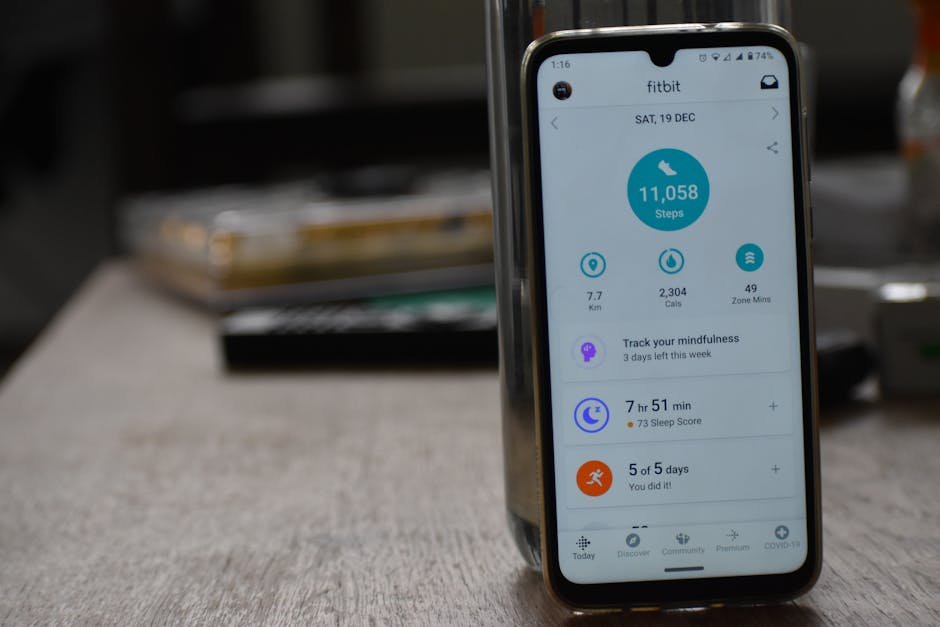
Fitbit: In a recent study, Fitbit reported a 30% reduction in hospital visits among users who actively tracked their fitness. This evidence illustrates how monitoring health metrics translates into significant healthcare savings. Individuals who embrace fitness tracking tools are not just investing in personal well-being; they are also playing a part in alleviating pressure on healthcare systems. This trend resonates with generating better health outcomes as highlighted through advancements in health technology.
These examples underscore a broader trend: when fitness monitoring apps are thoughtfully integrated into user life and healthcare frameworks, they yield real-world benefits that expand far beyond personal health management.
Common Mistakes and What to Avoid
As fitness monitoring apps proliferate, users and healthcare providers alike must heed common pitfalls that can diminish their effectiveness:
-
Neglecting Data Privacy: Users often overlook privacy concerns when sharing sensitive health information. Platforms like Fitbit and Apple Health emphasize encrypted data transfer; however, users must remain vigilant about the permissions they grant. A breach could lead to misinformation or worse, including exposure of personal health details.
-
Over-Reliance on Technology: Relying solely on apps without seeking advice from healthcare professionals can lead to misinterpretations of data. For instance, an individual might misread their cholesterol statistics without professional guidance. Partnering with healthcare providers for accurate interpretation can optimize health outcomes.
-
Ignoring App Recommendations: Many users download fitness apps and fail to implement their recommendations effectively. Following suggestions from apps like MyFitnessPal or Peloton is what drives results. Users often miss out on potential benefits if they don’t engage with these recommendations seriously.
Where This Is Heading
The future of fitness monitoring apps is poised for exciting developments. Analysts project a few key trends that will shape the next wave of digital health tracking:
-
Healthcare Integration: As part of an integrated care model, fitness apps will increasingly collaborate with healthcare providers. According to Gartner (2024), we can expect a 40% increase in partnerships between fitness apps and healthcare organizations, enhancing preventative and chronic care management.
-
AI-Driven Customization: Advanced algorithms will provide personalized health advice based on real-time data. This will lead to tailored health plans that respond dynamically to user behavior, making digital health more accessible and user-centric than ever before. Companies like Apple are already making strides in this area, setting a high bar for user experience. Insights into skills applications could also play a role in shaping future user interactions.
-
Focus on Urban Health Solutions: Companies like Samsung Health are leading the charge by developing features aimed at urban populations, partnering with local health centers to offer personalized guidance and interventions. This trend addresses disparities in health access, especially in metropolitan areas.
In the coming year, readers can expect these trends to not only enhance personal fitness experiences but to revolutionize how healthcare is perceived within digital frameworks.
FAQ
Q: What are fitness monitoring apps?
A: Fitness monitoring apps are digital platforms that enable users to track health metrics like physical activity, nutrition, and sleep. They bring visibility to personal health and encourage proactive health management.
Q: How can I use a fitness app effectively?
A: To use a fitness app effectively, actively log your activities, set specific goals, and implement the app’s recommendations. Engage with community features to stay motivated.
Q: Which fitness app is the best for tracking weight loss?
A: MyFitnessPal is frequently cited as one of the best apps for weight loss. Its food logging and calorie tracking features contribute to effective dietary management.
Q: Are fitness apps worth the cost?
A: Many fitness apps offer free versions, but premium features often come with a subscription fee. Evaluating the additional services against your health goals can help determine their worth.
Q: How can healthcare providers utilize fitness monitoring apps?
A: Healthcare providers can integrate fitness apps into patient care plans to monitor progress, adjust treatments, and promote adherence to health recommendations.
Q: What are common mistakes users make with fitness apps?
A: Common mistakes include neglecting data privacy, over-relying on technology without professional advice, and ignoring app recommendations which can diminish effectiveness.
Q: What is the future of fitness monitoring technology?
A: The future of fitness monitoring technology includes greater healthcare integration, personalization through AI, and solutions targeting urban health challenges, vastly improving user experiences.
Q: What is the best tool for creating online courses?
A: LearnWorlds — an online course creation and selling platform, ideal for educators and trainers who want to monetize their expertise.
Top Tools and Solutions
- InboxAlly — Email deliverability improvement tool for marketers aiming to enhance email campaign performance.
- Instantly — Cold email outreach and lead generation platform for businesses looking to expand their reach.
- Kinetic Staff — AI-powered staffing and recruitment platform, perfect for companies seeking smarter hiring solutions.
- Smartlead — Connect unlimited mailboxes with auto warm-up, run outreach via email, SMS, WhatsApp, and Twitter, making it ideal for comprehensive communication strategies.
- Optery — Personal data removal and privacy protection service designed for individuals wanting to safeguard their online information.