
*By Dr. Priya Nair, Health Technology Reviewer*
*Last updated: May 11, 2026*
# 10 Surprising Truths About Health Influencers That Will Shock You
It may be startling, but over 50% of health influencers have no formal credentials in nutrition or fitness, according to a study published in the *Journal of Medical Internet Research*. This statistic underscores the unsettling reality that, amidst a whirlwind of followers and likes, many of these purported wellness authorities mislead millions about vital health decisions. While consumers increasingly turn to social media influencers for advice, they often overlook a troubling truth: many lack essential expertise, potentially jeopardizing their health.
Yet this isn’t merely an issue of credibility for the influencers themselves; it has serious implications for consumer trust and safety. Wellness narratives peddled by individuals without relevant backgrounds have systematically eroded the foundations of informed health choices and responsible consumption.
As a health-conscious professional or wellness enthusiast, recognizing the substantial risks associated with unregulated influencer marketing has never been more crucial. The implications for both individual health and broader market dynamics are profound, particularly for financial investors in the health and wellness sectors.
## What Are Health Influencers?
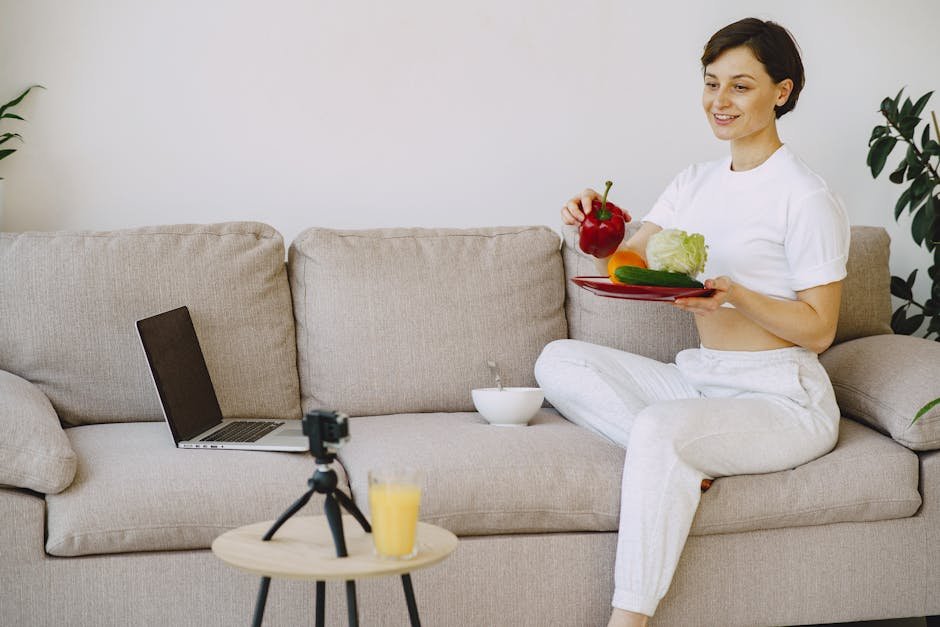
Health influencers are individuals who leverage social media platforms to share advice, insights, and trends related to health, wellness, and fitness. They typically engage with their audiences by creating content that ranges from exercise routines to nutritional advice, often presenting themselves as relatable and trustworthy figures. With social media facilitating rapid dissemination of information, the influence of these personalities has dramatically increased over recent years, particularly among younger demographics. Imagine a health influencer as the modern-day sage, dispensing wisdom in a digital tavern – but this sage often lacks formal training or deep understanding.
## How Health Influencers Work in Practice
Health influencers operate in a spectrum of credibility, often presenting themselves as experts in their fields. However, many do so without the academic grounding necessary for delivering sound health advice.
1. **Belle Gibson** is one of the most notorious cases in the health influencer arena. Gibson gained fame by claiming she cured her cancer through dietary changes and natural remedies. However, investigations revealed her cancer diagnosis was fabricated, leading to significant public mistrust. Her story serves as a cautionary tale highlighting the potential repercussions of misinformation.
2. **Herbalife** has capitalized on influencer marketing by utilizing unqualified individuals to promote its supplements. The company’s products, often promoted by influencers, lack the rigorous FDA approval processes that underpin sound health products. This raises critical concerns about consumer safety—especially when influencers prioritize profit over health integrity.
3. A survey conducted by Statista revealed that **62% of health influencers** admitted to relying on anecdotal evidence rather than scientifically validated research. This reliance underscores the distinction between personal experience and medically sound advice, a distinction often blurred in social media narratives.
4. Moreover, a significant **90% of wellness products** promoted on social media lack FDA approval, according to a *Consumer Reports* study. This statistic underscores the danger inherent in non-verified health claims, particularly as influencers encourage consumers to engage with potentially untested products.
## Top Tools and Solutions
Having access to the right tools can assist businesses in scaling their health and wellness capabilities. Here are some prominent options:
Constant Contact — Email marketing and automation platform perfect for small businesses looking to engage their audience effectively.
Trainual — Business playbook and employee training platform best suited for companies wanting to streamline training processes.
Leadpages — Landing page builder and lead generation tool designed for businesses aiming to convert visitors into customers.
Survicate — Customer feedback and survey platform that enables businesses to gather insights directly from their audience.
Buddy Punch — Employee time tracking and scheduling software ideal for businesses seeking to optimize staff workflows.
Carepatron — Healthcare practice management platform tailored for health professionals to manage their practice efficiently.
## Common Mistakes and What to Avoid
1. **Neglecting Research**: Many influencers fail to validate their claims through reliable sources. This negligence refers back to Belle Gibson, whose undisclosed falsifications have brought severe backlash. Consumers lost trust, and influencers now face scrutiny regarding their qualifications.
2. **Overemphasis on Profit**: Brands such as Herbalife exemplify the risk of placing profit over providing consumers with safe products. Their marketing strategies often lean heavily on influencer promotion rather than transparency regarding the products’ efficacy.
3. **Anecdotal Endorsements**: Relying on anecdotal evidence, as 62% of influencers do, leads to creating narratives that can mislead. Misinterpretations of personal experiences can result in followers making detrimental health decisions.
## Where This Is Heading
The landscape of health influencers and the associated products is undergoing significant evolution, marked by emerging trends worth noting.
1. **Regulatory Scrutiny Will Intensify**: Expect increased scrutiny and regulation from health authorities as the risks associated with unqualified health recommendations continue to surface. This could manifest in standardized guidelines for influencer marketing within health and wellness sectors, particularly regarding product endorsements.
2. **Consumer Education Will Rise**: As awareness of misinformation grows, an educated consumer base will demand qualifications and scientific support for health claims. Brands that prioritize transparency will thrive, while those relying on influencer clout may face declining trust and sales.
3. **Algorithmic Transparency**: Social media platforms will likely face increasing pressure to promote content based on its validity rather than its appeal. Changes may occur in their algorithms that favor scientifically-backed information over sensationalist health claims, reflecting a cultural shift towards responsible consumption.
## FAQ
**Q: What is a health influencer?**
A: A health influencer is someone who shares advice and insights about health and wellness through social media platforms. They often create content on nutrition, fitness, and lifestyle, but many do not have formal qualifications.
**Q: How can I find credible health influencers?**
A: Look for influencers who have verified credentials in health or wellness fields. Checking for certifications and their professional background can help ensure the advice they provide is reliable.
**Q: How do I evaluate the claims made by health influencers?**
A: Always cross-reference the claims with credible sources, such as scientific studies or information from qualified health professionals. Be cautious of anecdotal evidence that lacks scientific backing.
**Q: Are products promoted by health influencers safe?**
A: Not always. Many products lack FDA approval and have not undergone rigorous testing, so it’s essential to do your research before trying anything recommended by influencers.
**Q: What is the cost of health-related products marketed by influencers?**
A: The cost can vary widely depending on the influencer and the product. Often, health supplements and wellness programs can range from affordable to high-priced depending on the brand.
**Q: What common mistakes should I avoid when following health influencers?**
A: Avoid neglecting thorough research and relying solely on anecdotal recommendations. Misinterpretations can lead to poor health decisions based on unverified claims.
**Q: How is the influencer market in health evolving?**
A: The market is shifting towards increased regulatory scrutiny and demands for qualifications, leading to a more educated consumer base that prioritizes transparency and scientific evidence.
**Q: What are the best resources for credible health information?**
A: Reliable resources include registered dietitians, licensed healthcare providers, and established health organizations. Websites that publish peer-reviewed research are also valuable for accurate health information.