
By Dr. Priya Nair, Health Technology Reviewer
Last updated: June 28, 2026
Health Apps Surge: 76% of Users Rely on Technology for Wellness
A staggering 76% of smartphone users have downloaded at least one health app, signaling a seismic shift in how individuals manage their well-being. Instead of turning to healthcare professionals for advice, many are increasingly looking to technology for guidance. This trend is not just a mere enhancement to traditional healthcare; it opens a Pandora’s box of challenges and opportunities that could redefine patient autonomy and disrupt established systems.
Health apps are rapidly gaining traction among consumers, particularly in a post-pandemic world where telehealth has become commonplace. Companies like MyFitnessPal and Amwell are at the forefront, showcasing how technology influences choices that traditionally fell under the purview of trained medical professionals. Yet, while some may view these apps as supplemental tools, their growing role in empowering users could destabilize the broader healthcare system.
What Are Health Apps?
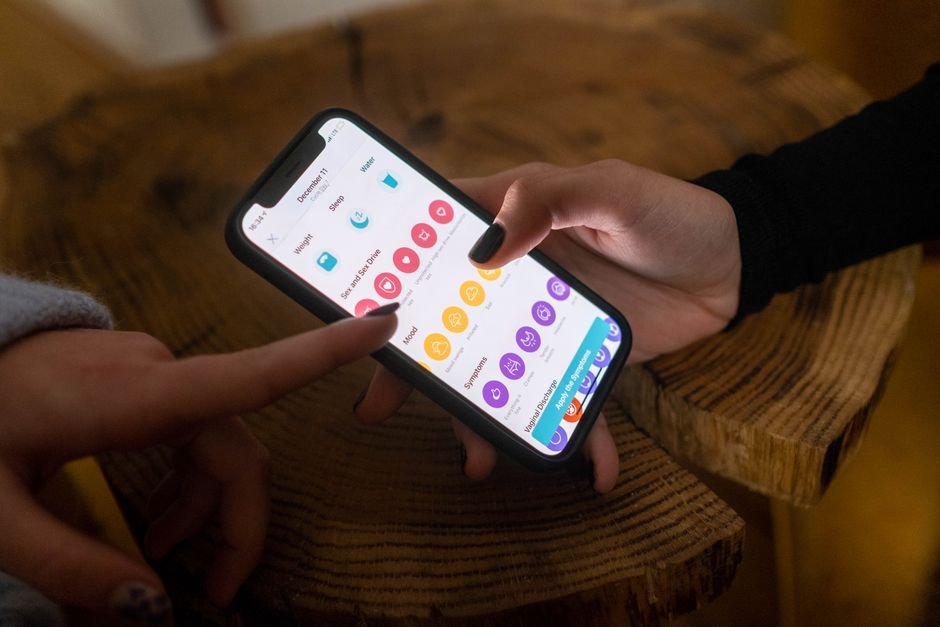
Health apps are software applications designed to help users monitor and manage various aspects of their health and wellness, including fitness, nutrition, mental well-being, and medical management. They matter now because they put control into the hands of users, enabling personalized health tracking and proactive decision-making. Think of them as a digital health coach in your pocket, available 24/7 to offer insights based on your data and preferences.
How Health Apps Work in Practice
Real-world applications of health apps illustrate their versatility and transformative potential.
-
MyFitnessPal: This app has revolutionized dietary commitment. Users who engage with MyFitnessPal find themselves 30% more likely to stick to their diet plans compared to those who do not use an app. This data reflects how health apps can shape long-term lifestyle changes.
-
Amwell: As a telehealth provider, Amwell has experienced a staggering 150% increase in app-based consultations since 2023. This shift underscores a growing preference for virtual healthcare solutions, initiated not by doctors, but by patients opting for convenience and flexibility.
-
Apple Health: With its integration of various wellness features, the Apple Health app has garnered 3.7 million daily users tracking their health metrics. This engagement indicates that users are not merely passive observers of their wellness, but active participants in managing it. The increasing use of applications like Apple Health highlights how digital platforms foster individual health oversight.
-
Fitbit: This wearable technology provides users with insights based on their physical activity and sleep patterns, facilitating data-driven decisions about fitness. Research indicates that prolonged usage of Fitbit correlates with a 50% increase in healthy lifestyle changes among its users. These examples reveal that health apps are changing the way individuals interact with their wellness, pushing the boundaries of traditional healthcare engagement.
Top Tools and Solutions
ElevenLabs — Easily clone any voice or generate AI text-to-voice for content creation, making it ideal for marketers and content creators.
Campaign Monitor — An email marketing platform for designers that helps businesses craft targeted campaigns.
Buddy Punch — Employee time tracking and scheduling software suited for businesses managing staff hours.
Capsule CRM — A simple CRM for small businesses looking to optimize customer relationships and manage sales pipelines.
Gamma — An AI-powered presentation and document builder that streamlines content creation for teams.
Bouncer — An email verification and list cleaning service that ensures better deliverability for marketing efforts.
Common Mistakes and What to Avoid
Despite the exciting prospects of health apps, users often stumble in their usage, leading to negative outcomes.
-
Over-reliance on Technology: Some users mistakenly believe that health apps can entirely replace medical professionals. A case in point is a patient who relied solely on a symptom checker app for a serious condition and delayed necessary medical attention, resulting in complications.
-
Ignoring Data Literacy: Many users do not understand the data presented to them. For instance, a woman using a fitness tracker assumed her calorie consumption was accurate without recognizing that her basal metabolic rate needed consideration. Misinterpretation led her to unhealthy eating patterns.
-
Neglecting Privacy Risks: Users often overlook privacy implications when sharing data with apps. A notable incident involved a popular fitness app that mistakenly exposed user data, triggering privacy concerns among its user base.
Awareness of these pitfalls can help users maximize the benefits of health apps while minimizing potential drawbacks.
Where This Is Heading
Looking ahead, the landscape of health apps is poised for further transformation.
-
Integration with Telehealth: As remote consultations become mainstream, apps like Amwell are increasingly incorporating in-app consultations. According to a report by Deloitte, the telehealth market is expected to grow by over 38% annually through 2028, driven by user demand for convenience and accessibility.
-
Increased Personalization: AI-driven health apps will continue to refine how they deliver personalized health advice. Google’s acquisition of Fitbit exemplifies a broader industry trend toward sophisticated algorithms that tailor health recommendations based on user data.
-
Regulatory Scrutiny: With the rise of health apps comes the need for regulation. The U.S. government has announced plans to implement guidelines for digital health tools, as seen in their initiative to vet AI systems like GPT-5.6. This regulatory landscape will evolve rapidly as health tech continues to gain prominence.
For health-conscious professionals and wellness enthusiasts, these trends mean an increasingly dynamic market where investments in digital health startups could yield lucrative returns. In the next 12 months, expect to see a greater emphasis on privacy, user engagement, and personalization in this burgeoning sector.
FAQ
Q: What are health apps?
A: Health apps are software applications designed to help users manage their health and wellness through tracking and insights. They are increasingly important as more users seek to take control of their health management.
Q: How do I choose a health app?
A: Start by identifying your health goals and needs. Research various apps, read reviews, and consider user satisfaction to find an app that best aligns with your requirements.
Q: What is the difference between health apps and telehealth services?
A: Health apps typically focus on personal health management and tracking, while telehealth services provide direct consultation with healthcare professionals through virtual platforms.
Q: How much do health apps cost?
A: Many health apps offer free versions with basic features, while premium features may cost anywhere from a few dollars per month to annual subscriptions depending on the app and its offerings.
Q: How can I implement health tracking more effectively?
A: To maximize health tracking, set clear goals, regularly input data, and analyze trends over time using the insights provided by the app to make informed decisions about your wellness.
Q: What are common mistakes when using health apps?
A: Common mistakes include over-relying on the app instead of seeking professional advice, misinterpreting data, and neglecting privacy concerns regarding personal health information.
Q: What future trends in health apps should I be aware of?
A: Expect innovations that focus on personalized health recommendations, integration with telehealth services, and stronger regulatory frameworks ensuring user privacy and data security.
Q: What is the best health app to use?
A: The best health app depends on your individual needs; consider exploring popular options like MyFitnessPal for nutrition tracking and Amwell for telehealth integration to find what suits you.