
*By Dr. Priya Nair, Health Technology Reviewer*
*Last updated: April 21, 2026*
# EU Mandates Replaceable Batteries by 2027: A Game Changer for Tech Giants
Around 50 million mobile phones are disposed of yearly in the EU, according to the European Commission. This staggering statistic highlights the enormous impact of electronic waste (e-waste) resulting from obsolete devices—essentially, a sea of discarded technology. In a bold move to address this urgent issue, the European Union has mandated that all mobile phones must have replaceable batteries by 2027. This legislation not only pushes companies like Apple and Samsung toward innovation but signals a seismic shift toward sustainability that consumer electronics can no longer ignore.
Critics insist that such regulations will stifle technological advancements, creating barriers for innovation while complicating product design. However, the broader picture reveals a contrarian narrative: far from limiting creativity, replaceable battery requirements will spark renewed innovation and expand consumer choices. The EU’s regulation could be the blueprint for a more sustainable future, one where companies rethink their design philosophies and align their practices with growing consumer demand for durability and repairability.
## What Are Replaceable Batteries?
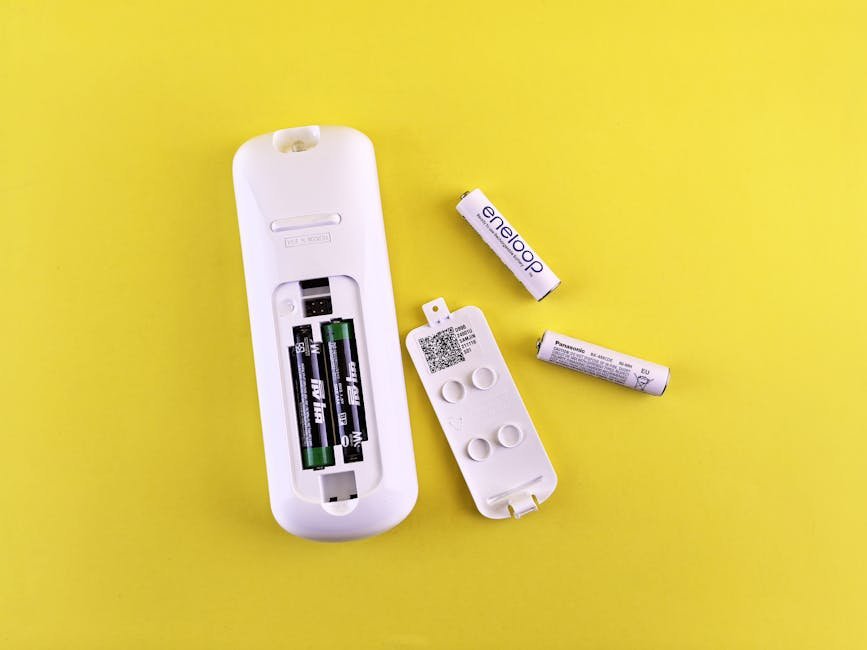
Replaceable batteries are those that can be removed and exchanged independently of the device itself, allowing users to replace drained power sources rather than discarding the entire unit. This innovation serves not just tech-savvy consumers but also environmentally-conscious ones, ultimately extending the lifespan of mobile devices. Think of it as swapping out a light bulb rather than getting a new lamp when the bulb burns out—less waste and less expense.
## How Replaceable Batteries Work in Practice
1. **Apple’s Shift in Design Philosophy**: Historically, Apple’s iPhone lineup has received criticism for its lack of repairability—with users left to depend on Apple’s exclusive battery replacement services. The new EU mandate will likely require Apple to rethink its design strategy, potentially leading to products with modular components that can be easily serviced. An analyst from Counterpoint Research estimates that a shift to replaceable batteries could boost iPhone-related repair revenues by 25% within the first year of compliance, a topic also echoed in discussions about how Apple’s Vision Pro could revolutionize healthcare.
2. **Samsung’s Sustainability Goals**: As a leader in mobile innovation, Samsung has already committed to incorporating sustainability into its production process. This new regulation aligns with their broader initiative to enhance repairability across the Galaxy lineup, an approach supported by a study from Circular Economy Europe, which found that replaceable batteries can cut e-waste by up to 30% annually. Samsung’s proactive adaptation could redefine their competitive edge in the smartphone sector, especially among environmentally-conscious consumers looking for innovations like those found in NutritionGPT.
3. **Consumer Response**: Market studies reveal strong consumer support for sustainability initiatives. According to the European Commission, nearly 70% of consumers are in favor of legislation encouraging longer product lifespans. This robust demand means companies failing to innovate within this new framework might lose market traction, a scenario that mirrors findings in current tech innovations.
4. **Job Growth in the Repair Sector**: Increased demand for replaceable batteries will inevitably create jobs in the repair industry. Market analysts predict that the switch could generate over 100,000 new jobs in the EU, reflecting a growing interest in repairable devices. Companies specializing in the repair and refurbish market stand to gain from this uptick, potentially overshadowing profits from selling new devices, an industry trend similar to shifts addressed in modern coding agents.
## Top Tools and Solutions
The shift toward replaceable batteries and sustainable mobile devices will bring a slew of tools and solutions designed for both manufacturers and consumers. Here are some notable entries:
Lemlist — Personalized cold email and sales engagement platform for effective marketing.
Marketing Blocks — AI-powered marketing content creation platform that simplifies marketing needs.
Databox — Business analytics and KPI dashboard platform for data-driven decisions.
CanvassScore — Political and field campaign canvassing platform that optimizes outreach efforts.
Increff — Inventory and warehouse management platform that streamlines operations.
Trainual — Business playbook and employee training platform that enhances team performance.
## Common Mistakes and What to Avoid
Industries unprepared for the implications of these new regulations could face grave consequences. Here are three mistakes companies have made in the past concerning mobile device sustainability:
1. **Underestimating Consumer Demand**: In 2019, LG failed to innovate in its smartphone offerings, culminating in a 40% drop in market share. This negligence toward consumer preferences for durable products led to its eventual exit from the smartphone business. Companies focusing too narrowly on short-term designs without considering user sustainability preferences risk similar fates.
2. **Neglecting Repairability**: The downfall of brands like HTC can be partially attributed to their failure to offer repairable devices. As consumers increasingly advocate for longer-lasting products, companies ignoring this shift will be left behind, potentially impacting overall brand loyalty.
3. **Avoiding Proactive Changes**: Many companies, including Nokia, watched their businesses decline after relying on obsolete designs. Instead, brands that embrace the shift toward modular design and repairability can capture emerging markets better aligned with new consumer values.
## Where This Is Heading
In the coming years, several distinct trends surrounding replaceable batteries and sustainability in mobile devices will emerge:
1. **Increased Regulatory Pressure**: Analysts from KPMG predict that more regions outside the EU will adopt similar regulations, driving a global trend toward sustainability. Awareness and compliance with these evolving standards will be essential for tech companies worldwide.
2. **Emergence of Eco-Friendly Brands**: As consumer demand shifts, new brands positioned around sustainability will likely emerge, challenging established players to adapt. This could lead to increased competition and innovation in green technologies.
3. **Technological Advancements**: Expect innovations in battery technology itself, as companies respond to the pressures of replaceability. This could mean improvements in battery longevity and efficiency, aligning with broader sustainability goals.
4. **Enhanced Recycling Programs**: Industry leaders may invest in better recycling programs, enhancing the lifecycle management of electronic devices. Engaging consumers in recycling efforts will play a crucial role in closing the loop on e-waste.
5. **Consumer Education**: As the market evolves, educating consumers about sustainable practices and the benefits of replaceable batteries will be vital for driving adoption. Businesses that prioritize transparency will foster stronger connections with their eco-conscious customer base.
## FAQ
**Q: What are replaceable batteries?**
A: Replaceable batteries can be removed and exchanged independently of the device itself. This feature allows users to swap out dead batteries without needing to replace the entire device.
**Q: How do I replace the battery in my smartphone?**
A: To replace a smartphone battery, locate the access point, typically found behind a removable cover or through the device’s opening. Follow the manufacturer’s instructions for safe battery removal and reinstallation.
**Q: How do replaceable batteries compare to built-in batteries?**
A: Replaceable batteries offer users the ability to easily swap out dead power sources, while built-in batteries require professional service for replacement. Replaceable batteries promote more sustainable usage by extending device lifespan.
**Q: What is the cost of replaceable battery smartphones?**
A: Replaceable battery smartphones vary in price, typically ranging from budget-friendly options to high-end models. The cost can be influenced by the brand, features, and build quality.
**Q: How can I implement replaceable batteries in existing devices?**
A: Implementing replaceable batteries in existing devices requires redesigning the product to facilitate easy access to the battery compartment. This may involve working with engineers to ensure compatibility and safety.
**Q: What are common mistakes when designing devices with replaceable batteries?**
A: Common mistakes include underestimating consumer interest in repairability and neglecting user-friendly designs that facilitate easy battery replacement. Companies also sometimes overlook the importance of effective educational resources for users.
**Q: What trends are emerging in the battery replacement market?**
A: Trends include growing consumer demand for sustainability, advancements in battery technology, and increasing government regulations that promote replaceability. Companies will likely invest more in eco-friendly practices.
**Q: What are the best resources for sustainable device management?**
A: Helpful resources for sustainable device management include repair guides from companies like Lemlist, marketing solutions from Marketing Blocks, and insights from platforms like Databox.